
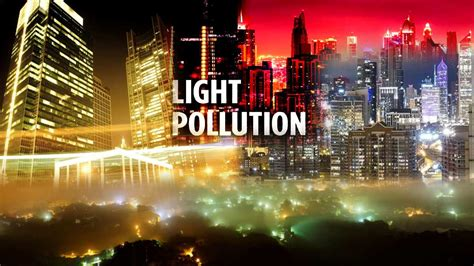
Good morning from Indiantown (or nearby—sun’s up around 6:45 AM EDT today). Shifting gears from water to light pollution makes sense—it’s another under-the-radar but real impact of large-scale industrial projects like data centers, especially in a rural, dark-sky-friendly spot like western Martin County. Imagine FPL exercises their PUD and gets approved, Silver FOX is gets approved then the third potential on the soon to be annex land request is approved. It will be like living next to a Stadium during a night game ! .
Indiantown’s current night sky is relatively pristine for South Florida: rural areas here fall in the Bortle Class 3–4 range (rural/suburban transition skies), where the Milky Way is visible on clear nights, zodiacal light shows up, and you can see hundreds of stars without much effort. That’s a big contrast to urban Port St. Lucie or Stuart (Bortle 5–7+). The area’s low population density, ag lands, and proximity to wildlife habitats (Everglades fringe, St. Lucie River corridor) keep artificial glow minimal—no major city skyglow bleeding in heavily.
Data centers, particularly hyperscale/AI ones, introduce constant, bright exterior lighting for security, access roads, parking, perimeters, and sometimes cooling infrastructure. They run 24/7, so lights stay on all night. Reports from rural Virginia, Pennsylvania, and other spots describe them as “glowing like a giant city” or “pulsating” from miles away, creating noticeable sky glow even in dark rural settings.
Nighttime Effects on the Village: Scaled to 1, 2, or 3 Centers
Using the Silver Fox baseline (~2M sq ft campus, multiple buildings up to 50 ft, substation, cooling lakes) and assuming similar designs for the other two (clustered in the FPL-annexed corridor near Fox Brown Rd / 609 / 710 / Kanner Hwy):
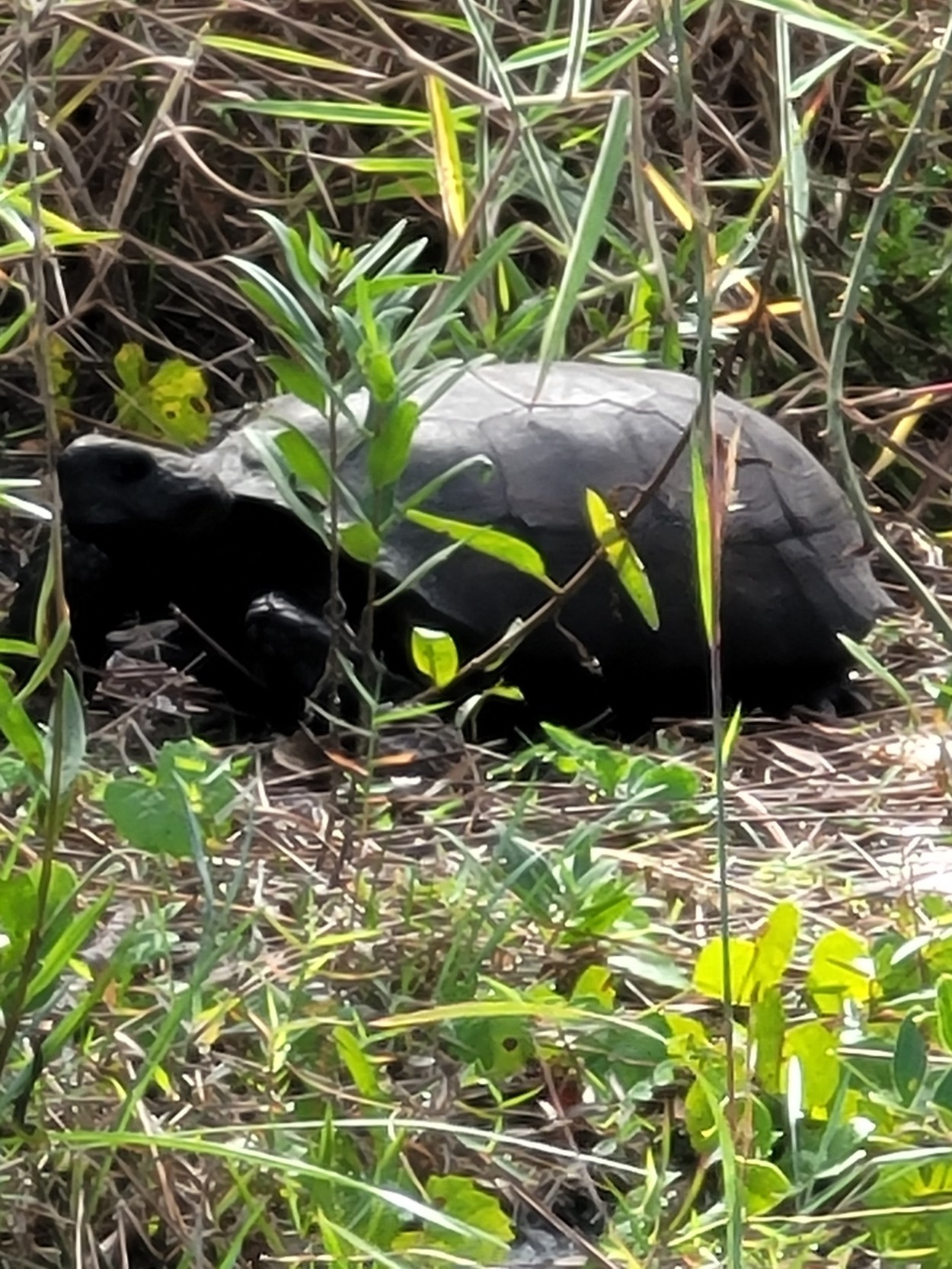
- 1 Center (Silver Fox alone): Moderate localized impact. Expect a visible glow dome visible from several miles (e.g., along SR 710 or from nearby rural homes). Perimeter/security lights (often LED floodlights) could create glare for drivers on adjacent roads and light trespass onto neighboring properties. Sky quality drops to Bortle 4–5 in a 2–5 mile radius at night—Milky Way still faintly visible but washed out overhead. Not village-wide catastrophe, but noticeable for residents in the immediate corridor (e.g., Fox Brown area). Wildlife effects limited but real: disorientation for nocturnal insects/moths (reducing pollination), attraction/repulsion for bats/birds, potential disruption to gopher tortoises or wood storks if lights hit wetlands.
- 2 Centers: Noticeable escalation. Overlapping glow from two sites creates a broader, brighter halo—potentially visible from central Indiantown or even farther east toward the river. Cumulative sky glow pushes parts of the village toward Bortle 5 (suburban sky: Milky Way barely detectable, fewer stars overall). Glare and trespass increase, especially if sites are close (as in the annexed zone). Residents farther out might start commenting on “that glow to the west.” Wildlife: amplified effects on local nocturnal species—moths/bats avoid or get trapped in lit zones, altering foraging/breeding; possible indirect hit to bird migration if glow reaches corridors.
- 3 Centers: Significant landscape-scale change. The cluster turns the western corridor into a persistent bright patch, like a small industrial “city” glowing all night. Village-wide sky degradation—Bortle 4–6 in western Indiantown, with noticeable skyglow visible from most of the village on clear nights. Dark-sky viewing (e.g., for stargazing or astrotourism potential) largely lost in the area. Glare affects more roads/homes; light trespass complaints likely rise. Wildlife: broader habitat disruption—disorients migratory birds (Florida’s a key flyway), repels/ attracts insects leading to population shifts, affects amphibians/reptiles in nearby wetlands (e.g., altered breeding calls or movement). In Florida’s rural ecosystems, this compounds other pressures (e.g., from roads or ag lighting).
Florida-Specific Context & Mitigation Potential
Florida has no statewide light pollution law, but local zoning (now under Village PUD/industrial rules post-FPL annexation) can impose controls. Many FL counties/cities require shielded/full-cutoff fixtures (no uplight), timers/motion sensors, and limits on lumen output to minimize trespass/glare (e.g., Palm Bay, Lee County codes). Emerging 2026 bills (e.g., SB 484/HB 1007) for hyperscale data centers push for environmental disclosures, including potential lighting impacts, and setbacks/screening.
For Indiantown: No specific lighting details in Silver Fox pre-app yet, but developers could use best practices—full shielding, warm LEDs (>560 nm amber/red to reduce wildlife attraction per FWC guidelines), motion-activated only, no decorative/up-lighting. If not required/enforced, the “glow” effect dominates.
Bottom line: 1 center = localized annoyance + some wildlife disruption. 2 = community-visible change. 3 = transforms the rural night character, hitting dark skies, stargazing, and ecology harder in this quiet area.
 Talk About Martin
2 thoughts on “What About all The Light Pollution from the dATACENETR(s)”