

We have repeatedly asked for those involved that are in favor of this type of development to explain to us why?
What are missing?
We, at TAM, have not said there ARE three, we have said, there is one proposed (Silver Fox), one more, explicitly given allowance (FPL) and the third is set to be submitted as soon as the next two annexations that the Mayor discussed at the last municipal joint meeting that took place.
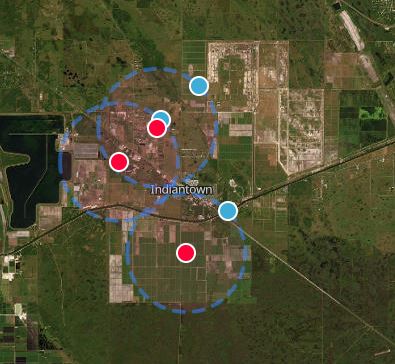
Thank you for sharing this detailed summary of the current pre-application materials for the Silver Fox 606 proposal—it’s helpful to have the official village filings highlighted, and you’re absolutely right that this is still very early in the process. Only a pre-application has been submitted, plans can (and likely will) change based on reviewer feedback, and full agency approvals (SFWMD, USFWS, FWC, etc.) plus public hearings are still ahead. Attending or streaming PZAB meetings is great advice for anyone wanting the most up-to-date info straight from the source.
That said, recent public records obtained and reported by WPTV (March 3, 2026) appear to show some differences from the points outlined here. For example:
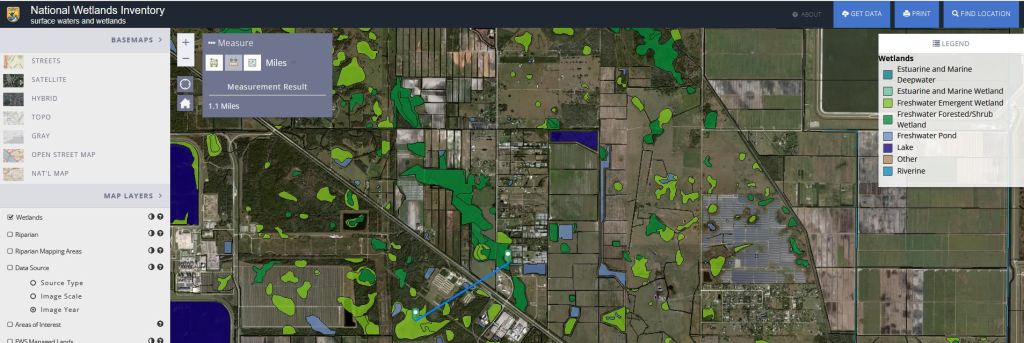
- The South Florida Water Management District (SFWMD) identified approximately 230–234 acres of wetlands on the 606-acre property (about 40% of the site), with indications that the proposed development could impact around 200+ acres of them—rather than preserving all wetlands undisturbed.
- Protected species observations include a bald eagle nest, wood storks, sandhill cranes, and evidence of potential gopher tortoise activity (a degraded burrow noted, with FWC monitoring ongoing).
- These triggers mean federal and state protections apply, and any final plan would require detailed avoidance, minimization, or mitigation measures—none of which are locked in yet.
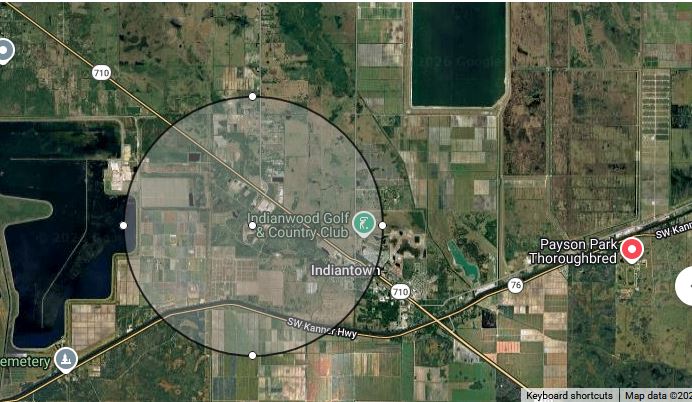
Other open questions from reports and records include exact cooling methods (air-cooled is mentioned, but equipment details are pending), potential water use (even minimal for non-cooling purposes adds up in our area), power redundancy and backup needs, noise/vibration studies (especially at two miles from homes), and overall environmental footprint on this large parcel.
Our group’s goal has always been to share verifiable data from public records, environmental assessments, and news coverage so residents can make informed decisions. We’re not against progress or jobs (the proposal mentions ~400 positions), but we believe big projects like this deserve thorough scrutiny—especially in a rural community with sensitive wetlands, wildlife, and water resources.
The review process is built for exactly that: iterative changes, multi-agency input, and public comment at key stages. Let’s keep encouraging everyone to follow along officially, ask thoughtful questions, and participate when hearings are scheduled. If anyone has specific documents or updates they’d like to discuss, I’m happy to compare notes or point to sources.
Appreciate the conversation—staying engaged and informed is how we protect what makes Indiantown special.
Also, because there is as has been no initiated discussion on the elected or governments part to see if people want this type of development, we are offering that window for the people to learn for themselves prior to any propaganda session, charrettes, public workshops or any other pre-determined outcome event. We are going to discuss what we want. Not lies. No fiction. Just Facts, Truth and our determinable right from God to express how we feel about the topic.
We have welcomed all comers. Not just like minded. You will be amongst friends. Come, join us, change our minds.
Here is a well documented and in depth Scientific Review on that issue. https://talkaboutmartin.com/2026/03/03/datacenter-health-issues-including-sound/
And another, reference on noise pollution that is documented. https://talkaboutmartin.com/2026/03/08/what-about-noise-pollution-excluding-ifrasound/
 Talk About Martin