
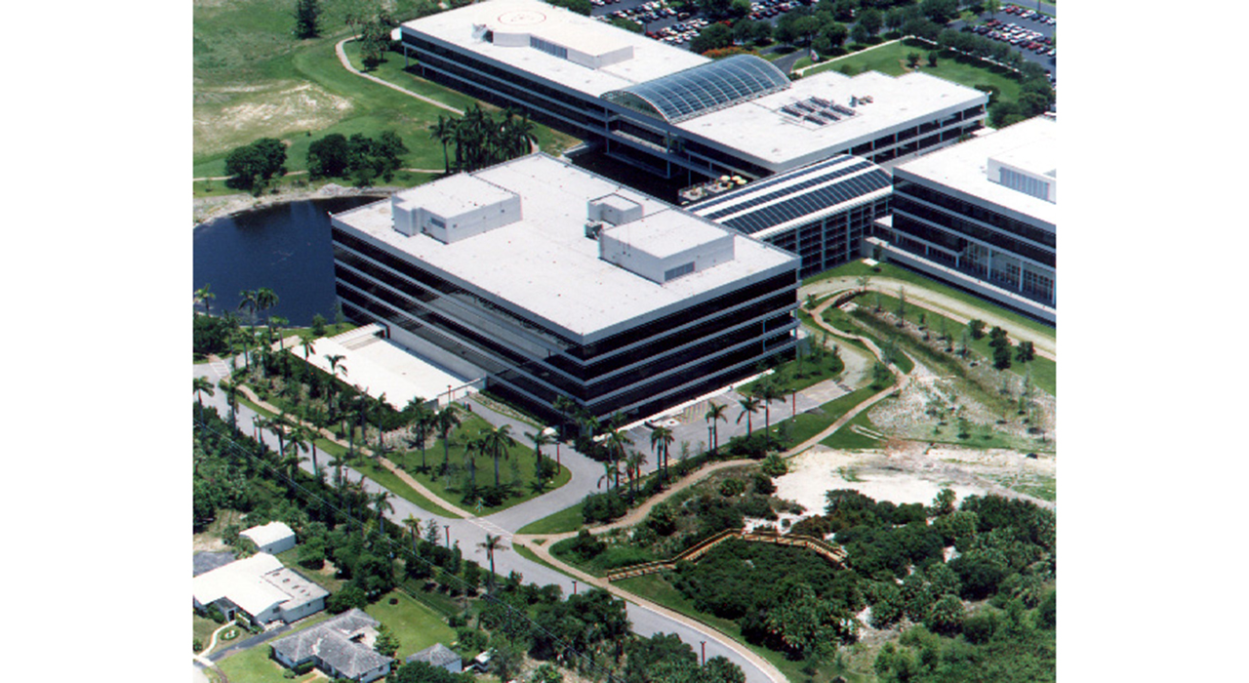
Summary of Comparable Data Centers – All Aspects of Concern (Hyperscale / AI Facilities with Massive Cooling Fan Arrays, 2024–2026 Cases)
I reviewed recent real-world examples that most closely match the Silver Fox 606 proposal (2.2 million sq ft air-cooled hyperscale design with hundreds/thousands of large axial fans running 24/7). These cases consistently show the same pattern of far-propagating low-frequency noise/infrasound, health impacts, infrastructure strain, and community disruption — exactly the risks Indiantown’s current LDR cannot address.
1. Loudoun County, Virginia (“Data Center Alley” – ~200 facilities, many air-cooled/hyperscale)
- Noise/Infrasound: Constant 40–59 dB low-frequency hum/drone from cooling fans; audible inside homes (windows closed) up to several miles away. Described as “propeller-like,” “leaf blower that never turns off,” or industrial drone.
- Health Effects: Sleep disturbance, anxiety, stress, mental/neurological issues, cardiovascular strain, restarted anxiety medications. Wildlife (birds) disappeared due to noise.
- Power/Grid Strain: Massive demand driving residential rate hikes; grid distortions; frequent backup generator use during outages.
- Environmental: Habitat loss, farmland conversion, wildlife avoidance.
- Community/Quality of Life: Widespread complaints; zoning changes and opposition; declining enjoyment of outdoor spaces.
- Economic/Jobs: High tax revenue but very limited permanent jobs (often <150 per large facility); infrastructure costs passed to residents.
- Regulatory Outcome: Shifted from “by-right” zoning to stricter reviews and moratorium considerations.
2. Granbury, Texas (large fan-heavy Bitcoin/data-center-style facility)
- Noise/Infrasound: Jet-engine-like roar 24/7 from cooling fans; low-frequency hum penetrates walls/windows.
- Health Effects: Severe migraines, vertigo, tinnitus, nausea, panic attacks, hearing loss, hypertension. Multiple residents sought emergency care; Earthjustice lawsuit filed.
- Community Impact: Described as “torture” with constant noise; organized opposition and legal action for nuisance.
- Other: Backup generators and high energy use added to pollution and noise.
3. Vineland, New Jersey (recent 2.6M sq ft AI-scale data center)
- Noise/Infrasound: Persistent industrial humming/buzzing 24/7; worse at night.
- Health/Community: Sleep disruption; residents 2½ mile away report constant hum penetrating homes; health department investigation underway.
- Regulatory: Community organizing for stronger noise ordinances.
4. Central Ohio (Licking County / New Albany area)
- Noise/Infrasound: Persistent low-frequency hum from cooling systems and generators.
- Health: Widespread sleep disturbance, chronic stress, fatigue.
- Regulatory: Led to local government pauses/moratoriums on new projects pending noise studies.
5. Northern Virginia Suburbs (Vantage and similar facilities)
- Noise/Infrasound: Persistent 40–59 dB hum in residential zones; audible 2½ mile+ away.
- Health: Sleep and cognitive problems; inability to enjoy outdoors; families reporting nightmares in children.
- Power/Infrastructure: Grid strain and backup generator use.
Key Takeaways for Silver Fox 606 in Indiantown
- Air-cooled hyperscale facilities (exactly like the proposed design) repeatedly produce detectable low-frequency hum and infrasound 1 to several miles away, even when “compliant” at the property line.
- Health effects (sleep disruption, annoyance, stress, headaches, anxiety, cardiovascular strain) are the most common documented outcome — matching our decibel chart and infographic.
- Power/grid strain, limited permanent jobs (far fewer than promised), habitat/wildlife loss, and quality-of-life/property-value complaints appear in every major case.
- Fire safety and backup generator pollution add further risks (seen in multiple incidents).
- Regulatory response: Communities often end up with moratoriums, stricter zoning, or lawsuits because existing vague codes (like Indiantown’s “objectionable to normal senses” language) fail to protect residents.
These precedents show that without a full low-frequency sound study, extended monitoring zones, and specific LDR amendments before approval, Indiantown risks the same documented harms. This should included frequently measurable and enforceable guidelines and requirements in order to operate.
 Talk About Martin
One thought on “606 compared to known comparable Hyper-data centers that are already operational and having health effects”