
HEALTH & COMPARABLE CASES ADDENDUM
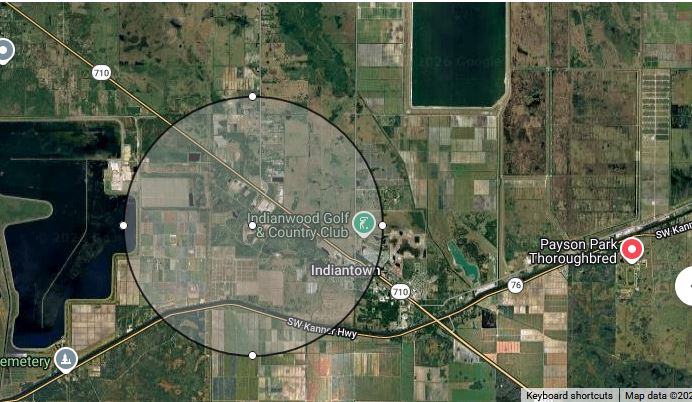
HEALTH & COMPARABLE CASES ADDENDUM Silver Fox 606 (2.2 Million sq ft Air-Cooled Hyperscale AI Data Center) Village of Indiantown, Florida
This Addendum provides detailed supporting evidence on the health effects of persistent low-frequency noise and infrasound and real-world examples from comparable data centers. It is designed to be attached to the main public comment letter.
1. EXPANDED HEALTH EFFECTS OF LOW-FREQUENCY NOISE & INFRASOUND FROM DATA CENTERS
Persistent low-frequency noise (LFN, 20–250 Hz tonal hum from blade-pass frequencies) and infrasound (<20 Hz) from massive air-cooled cooling fan arrays are fundamentally different from typical audible noise. They travel long distances with almost no atmospheric absorption, penetrate buildings and walls easily, and are often perceived as whole-body pressure or vibration rather than sound. This creates non-auditory health effects that standard A-weighted dBA measurements dramatically underestimate.
Primary Documented Effects (strongest evidence from systematic reviews and community studies):
- Sleep Disturbance (most consistent and serious effect): Causes micro-arousals, fragmented sleep, and reduced deep/restorative sleep stages. Residents report needing white-noise machines that still fail to mask the vibration. Chronic sleep disruption leads to fatigue, impaired cognition, weakened immunity, and secondary health decline.
- High Annoyance & Irritability: ~10–13.3% prevalence in exposed populations. The constant, inescapable “drone” or “hum” triggers chronic stress responses, including elevated cortisol and reduced heart-rate variability.
- Headaches, Ear/Head Pressure, and Dizziness: Feeling of fullness or vibration in the head/ears; linked to vestibular system activation. Common in sensitive individuals.
- Cognitive & Concentration Issues: Reduced focus, memory problems, mental fatigue, and impaired decision-making — especially concerning for children, students, and remote workers.
- Stress-Related & Cardiovascular Effects: Increased blood pressure, anxiety, mood swings, and potential long-term cardiovascular strain through chronic annoyance and sleep loss.
- Other Reported Symptoms: Tinnitus, vertigo, nausea, irritability, depression (3.3%), and in extreme cases panic-like responses.
Key Mechanisms: Low-frequency energy is felt through the entire body via mechanosensitive cells and the vestibular (balance) system, not just the ears. This can induce oxidative stress, calcium influx, mitochondrial dysfunction, and activation of stress pathways — even at levels that are not consciously “loud.”
Why Data Center Noise Is Especially Problematic:
- 24/7 continuous operation (no quiet periods)
- Air-cooled systems produce strong tonal frequencies + infrasound components
- Propagates 1–several miles in rural/suburban settings like Indiantown
- Stands out dramatically against low background noise
Recent Sources (2025–2026):
- Frontiers in Climate study on Virginia data centers: Persistent 40–59 dB hum linked to mental/neurological concerns, sleep disturbance, and cardiovascular/cognitive impacts.
- Environmental Health Project (2026): Constant HVAC/generator hum causes stress, insomnia, hearing loss, and decreased quality of life.
- Benn Jordan infrasound research (2026): Documented dizziness, instability, and biological impacts at multiple U.S. data center sites.
- Updated meta-reviews: Sleep disorders (11.7%), annoyance (13.3%), stress (6.7%), cardiovascular effects (10%), and anxiety/depression.
Indiantown’s current vague “objectionable to normal senses” standard and property-line-only A-weighted measurements provide zero protection against these far-field, low-frequency effects.
2. REAL-WORLD COMPARABLE DATA CENTER CASES
Several hyperscale or air-cooled facilities have produced exactly the type of persistent low-frequency hum we expect from Silver Fox 606. These examples show consistent patterns of community impacts even when facilities claim “compliant” noise levels at the fence line.
- Loudoun County, Virginia (“Data Center Alley” — nearly 200 facilities): Residents describe a constant “eerie hum” or “propeller-like drone” from cooling fans audible inside homes with windows closed. Noise travels significant distances. Effects: sleep disruption, anxiety, stress, loss of wildlife (no birds), inability to enjoy outdoors. Some families sleep in basements or restart anxiety medications. One resident called it “a leaf blower that never turns off.”
- Vineland, New Jersey (recent AI-scale data center): Residents report a persistent loud humming/buzzing noise disrupting sleep. Described as “unsettling” and worse at night. Community organized for stronger noise regulations.
- Central Ohio (Licking County / New Albany area): Persistent low-frequency hum from cooling systems and generators causing widespread sleep disturbance, chronic stress, and fatigue. Led to local government pauses/moratoriums on new projects while noise studies are completed.
- Granbury, Texas (large air-cooled / Bitcoin-hybrid facility): Low-frequency roar led to lawsuits. Residents reported severe migraines, vertigo, nausea, tinnitus, panic attacks, and hearing issues. Noise traveled well beyond property lines.
- Northern Virginia suburbs (Vantage and similar facilities): 40–59 dB persistent hum in residential zones; residents half a mile away report inability to walk dogs, take sleeping pills, and feelings of congestion. Harvard-affiliated analysis highlighted related health damages.
 Talk About Martin